Gallery Boxes (Assemblage / 3D)
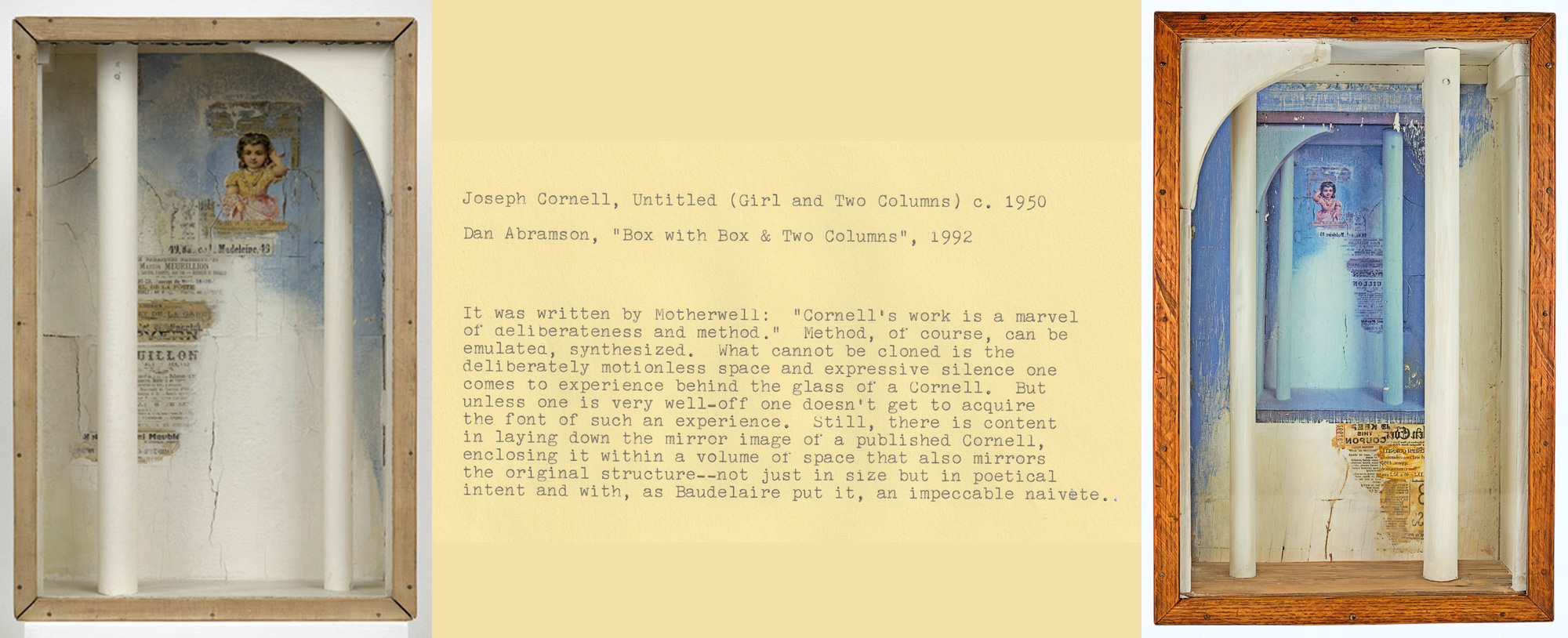
This section showcases Dan Abramson's three-dimensional assemblage works and gallery boxes, considered the magnum opus of his artistic output.
Abramson, who mastered multiple media including sculpture and painting, was deeply influenced by the American assemblage artist Joseph Cornell, whom he called the "mechanic of the ineffable."
Abramson's philosophy led him to believe that the means of expression were no longer found "in the art store" but "in the gutters & dumpsters, in heaps of earthquake debris". This approach is evident in his box constructions, which embody his disdain for compartmentalized thought and meaning, often using sardonic humor to "settle the bile".
Abramson accepted "everything as its material", aligning with the collage technique that abolishes the separation between art and life.
This poetical intent is highlighted in pieces like:
• “Oracles” – A series of 14 boxes based on Greek oracles, designated as his masterwork.
• “Box with Box & Two Columns” (1992) – A work that parallels Cornell’s Untitled (Girl and Two Columns).
• “Utopia Parkway” (1993) – A piece that salutes the fanciful perfection of Cornell’s “Day.”
Abramson, who mastered multiple media including sculpture and painting, was deeply influenced by the American assemblage artist Joseph Cornell, whom he called the "mechanic of the ineffable."
Abramson's philosophy led him to believe that the means of expression were no longer found "in the art store" but "in the gutters & dumpsters, in heaps of earthquake debris". This approach is evident in his box constructions, which embody his disdain for compartmentalized thought and meaning, often using sardonic humor to "settle the bile".
Abramson accepted "everything as its material", aligning with the collage technique that abolishes the separation between art and life.
This poetical intent is highlighted in pieces like:
• “Oracles” – A series of 14 boxes based on Greek oracles, designated as his masterwork.
• “Box with Box & Two Columns” (1992) – A work that parallels Cornell’s Untitled (Girl and Two Columns).
• “Utopia Parkway” (1993) – A piece that salutes the fanciful perfection of Cornell’s “Day.”
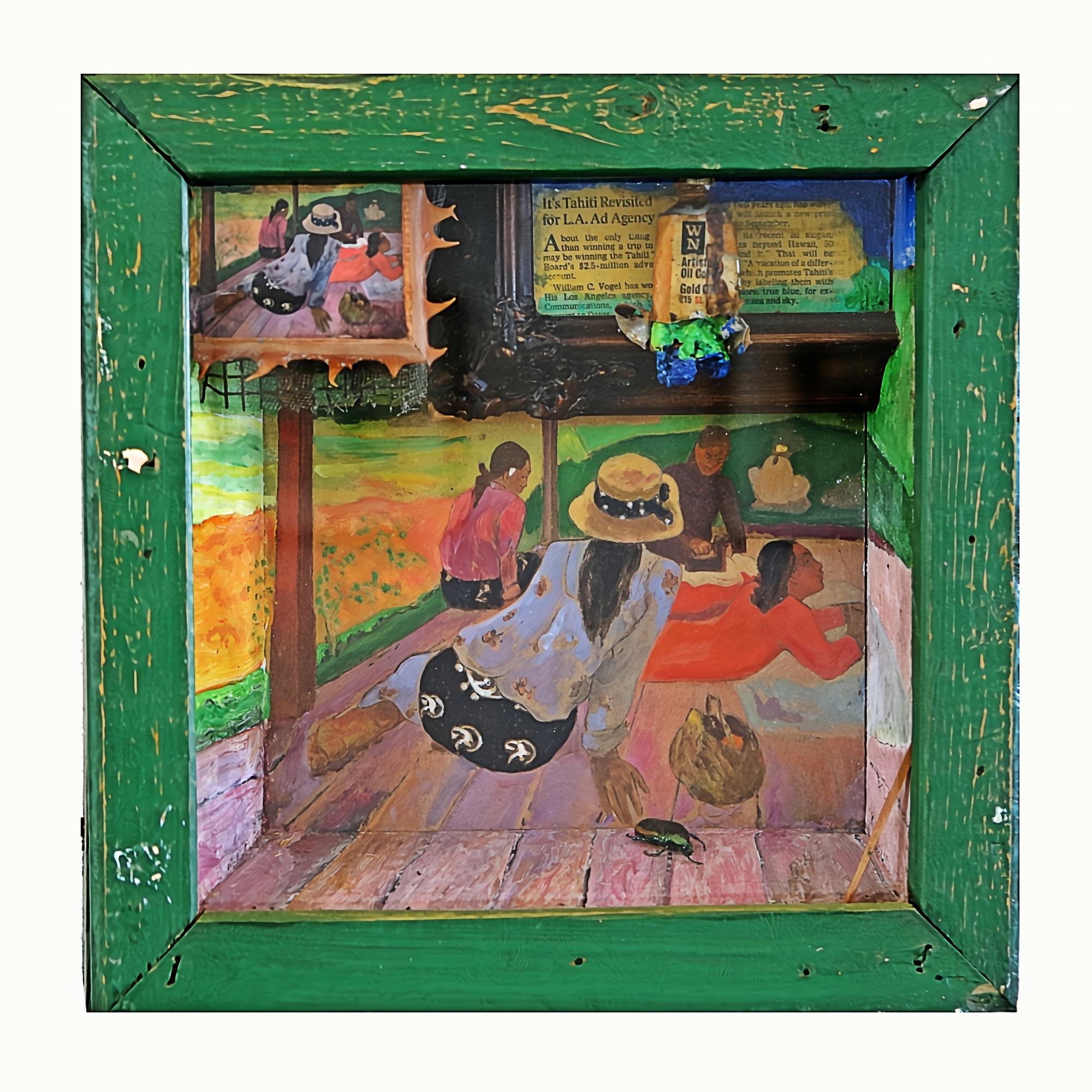
Two Tahitis
1990
13.25 x 13.25 x 3.5 inches
Gallery Box
13.25 x 13.25 x 3.5 inches
Gallery Box
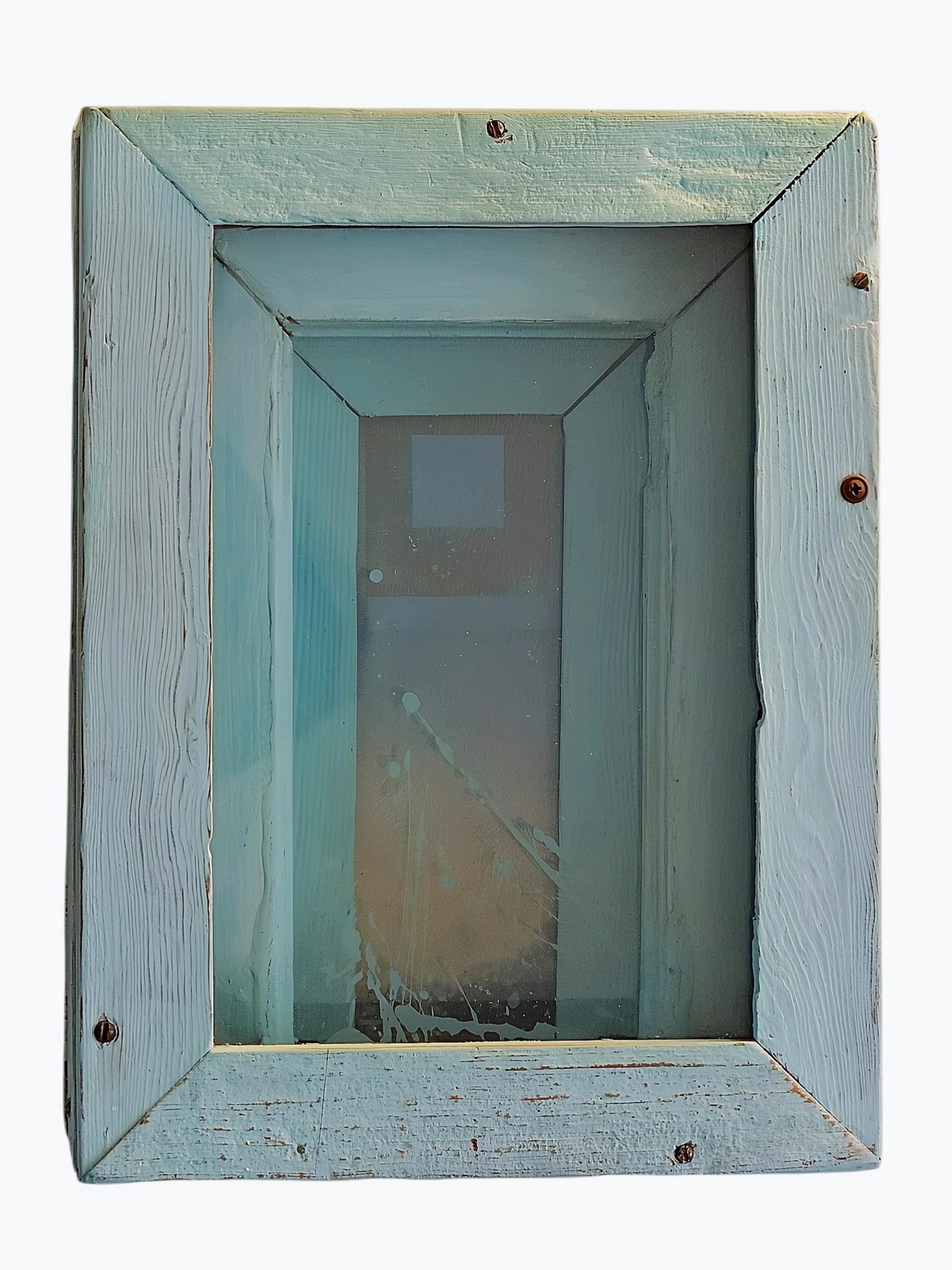
Unsquared (Albers)
1991
14 x 10.5 x 4.5 inches
Gallery Box
14 x 10.5 x 4.5 inches
Gallery Box
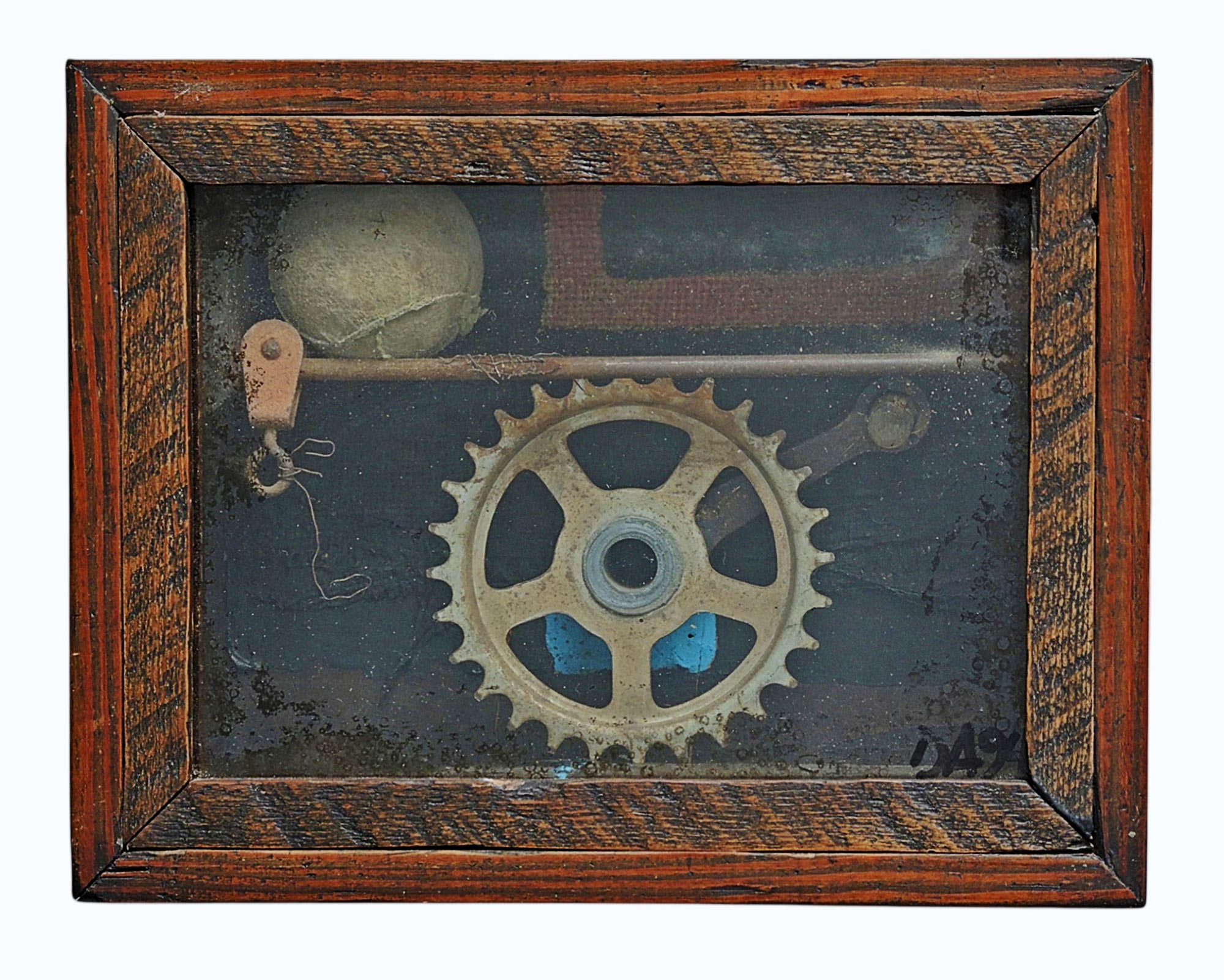
Utopia
1994
9.25 x 12 x 4 inches
Gallery Box
9.25 x 12 x 4 inches
Gallery Box
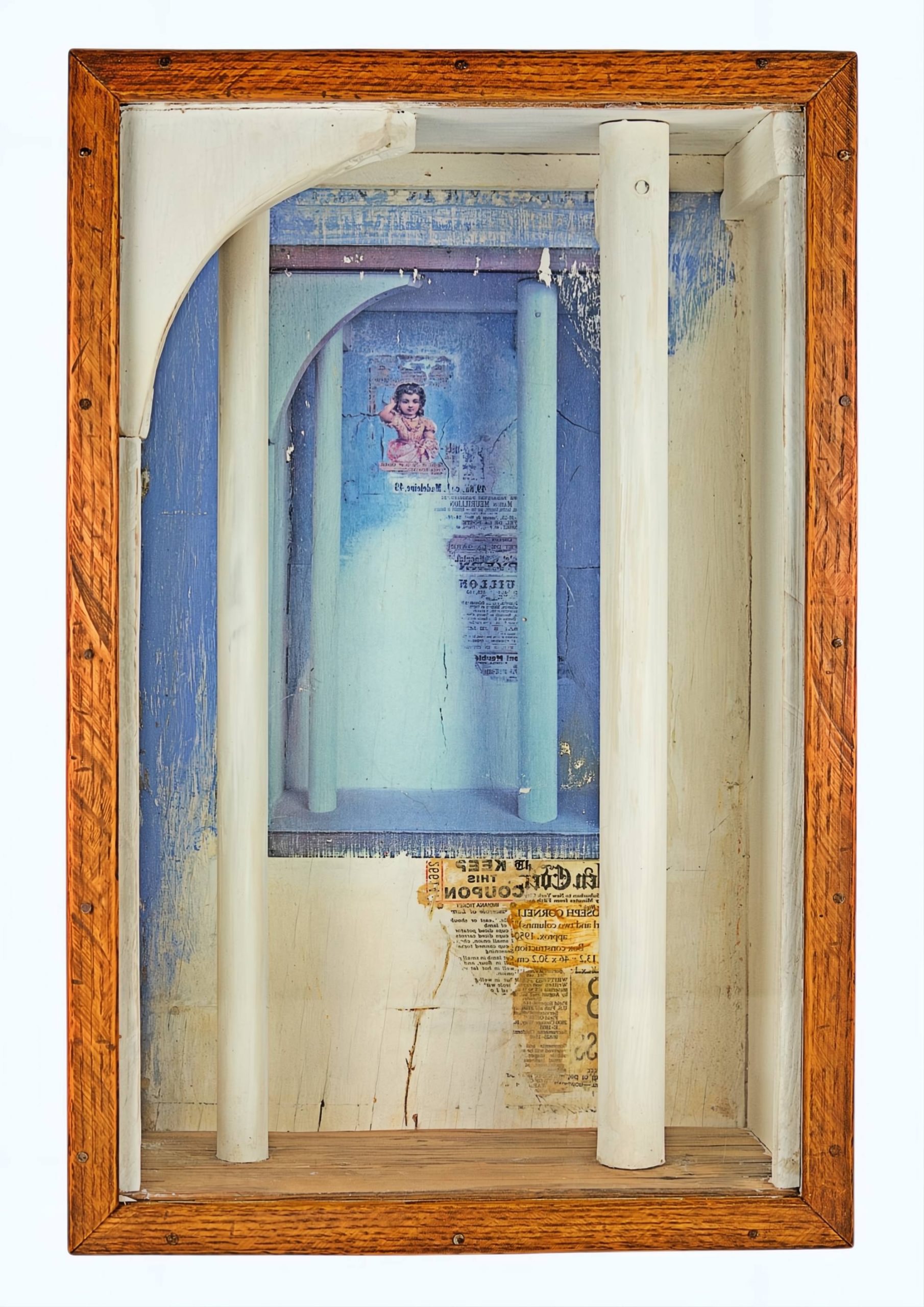
Box in Box w 2 Columns
1992
18.25 x 14.75 x 5.25 inches
Gallery Box
18.25 x 14.75 x 5.25 inches
Gallery Box
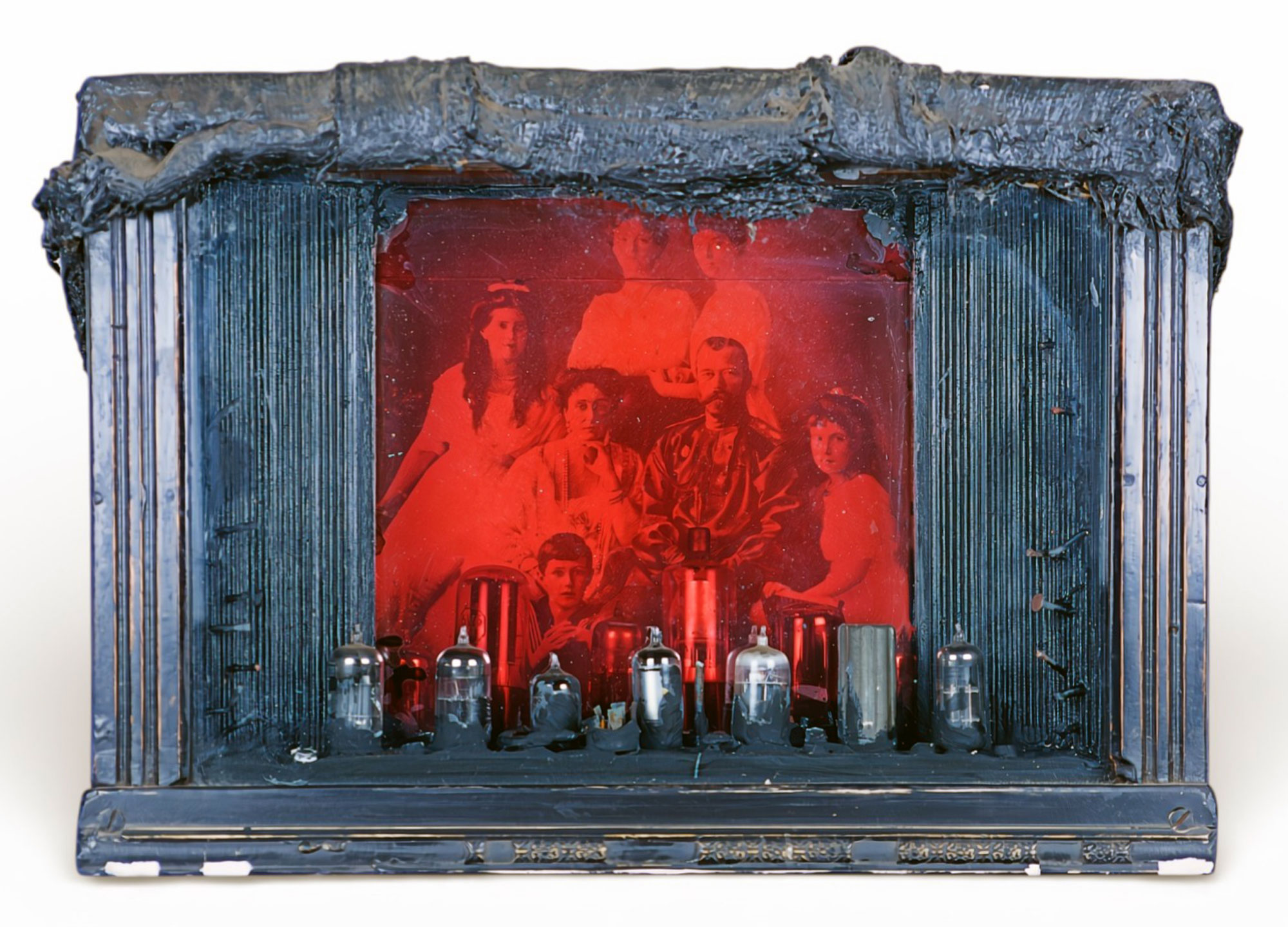
Evolution & The Constancy of Demise
1993
11.5 x 16 x 5 inches
Gallery Box
11.5 x 16 x 5 inches
Gallery Box
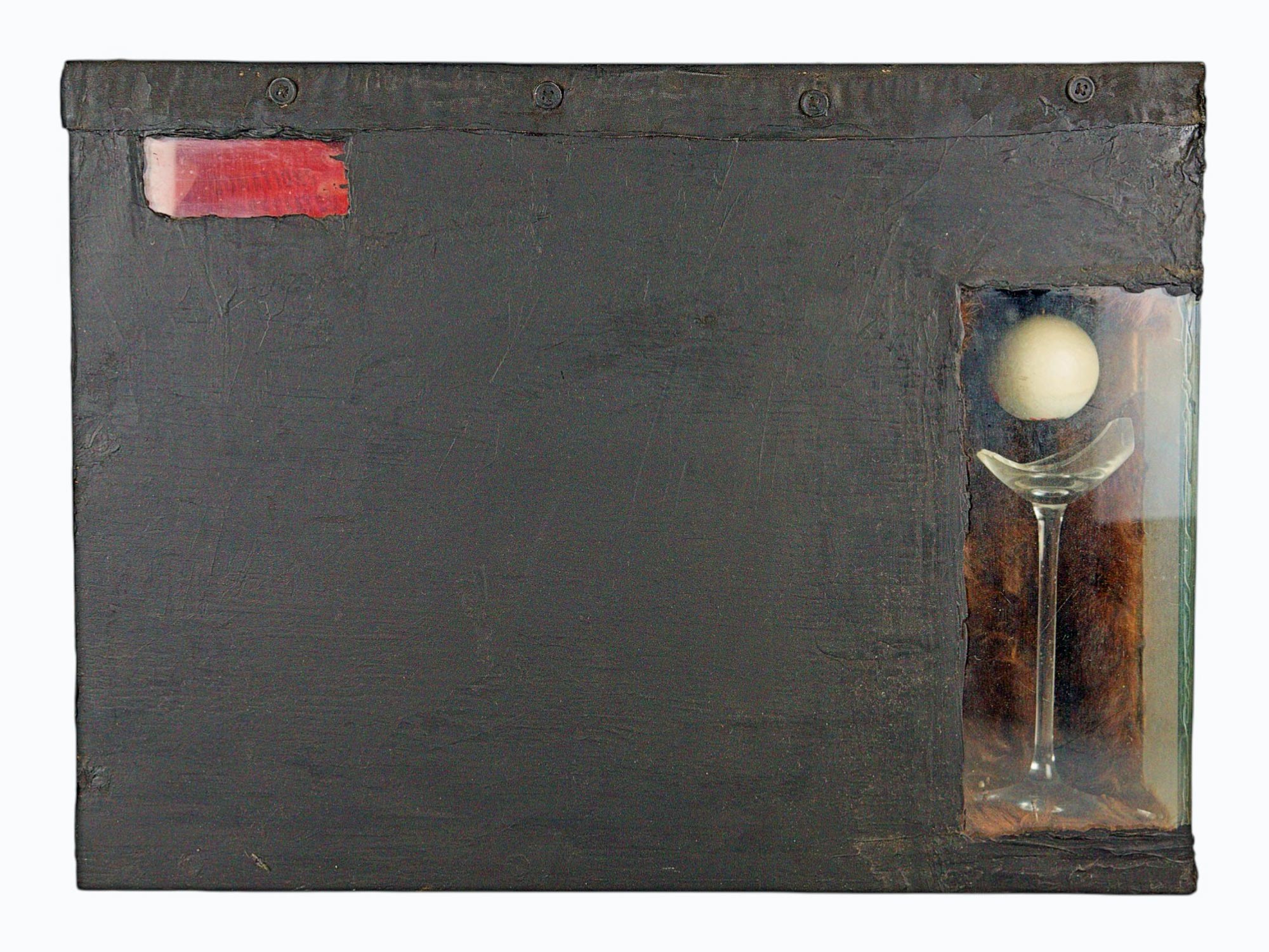
Enigma: A Case History
1994
12.75 x 17 x 5.25 inches
Gallery Box
12.75 x 17 x 5.25 inches
Gallery Box
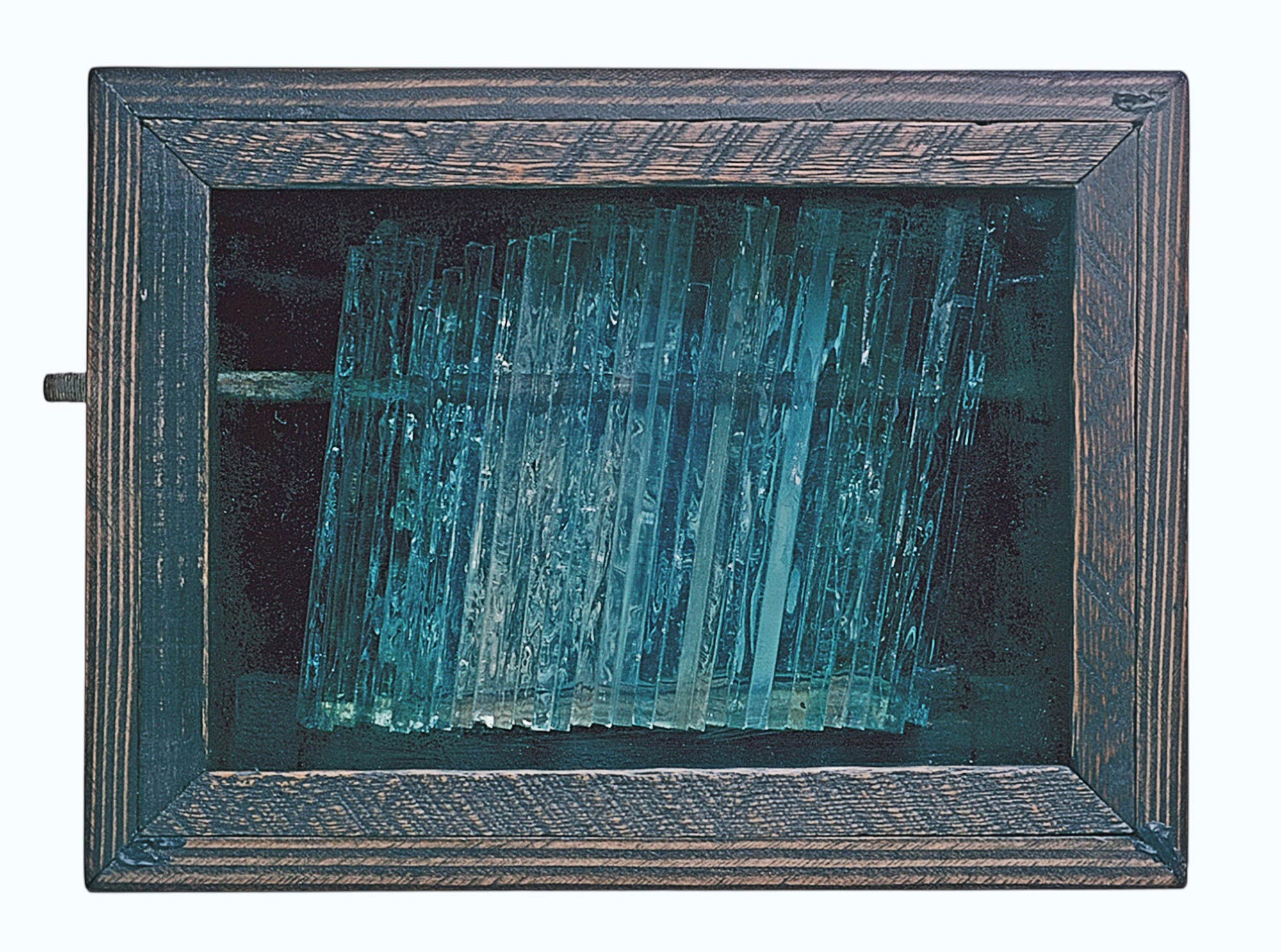
Euphoria
1994
9.25 x 13.5 x 4 inches
Gallery Box
9.25 x 13.5 x 4 inches
Gallery Box

Conference
1994
8.5 x 13.75 x 3.5 inches
Gallery Box
8.5 x 13.75 x 3.5 inches
Gallery Box
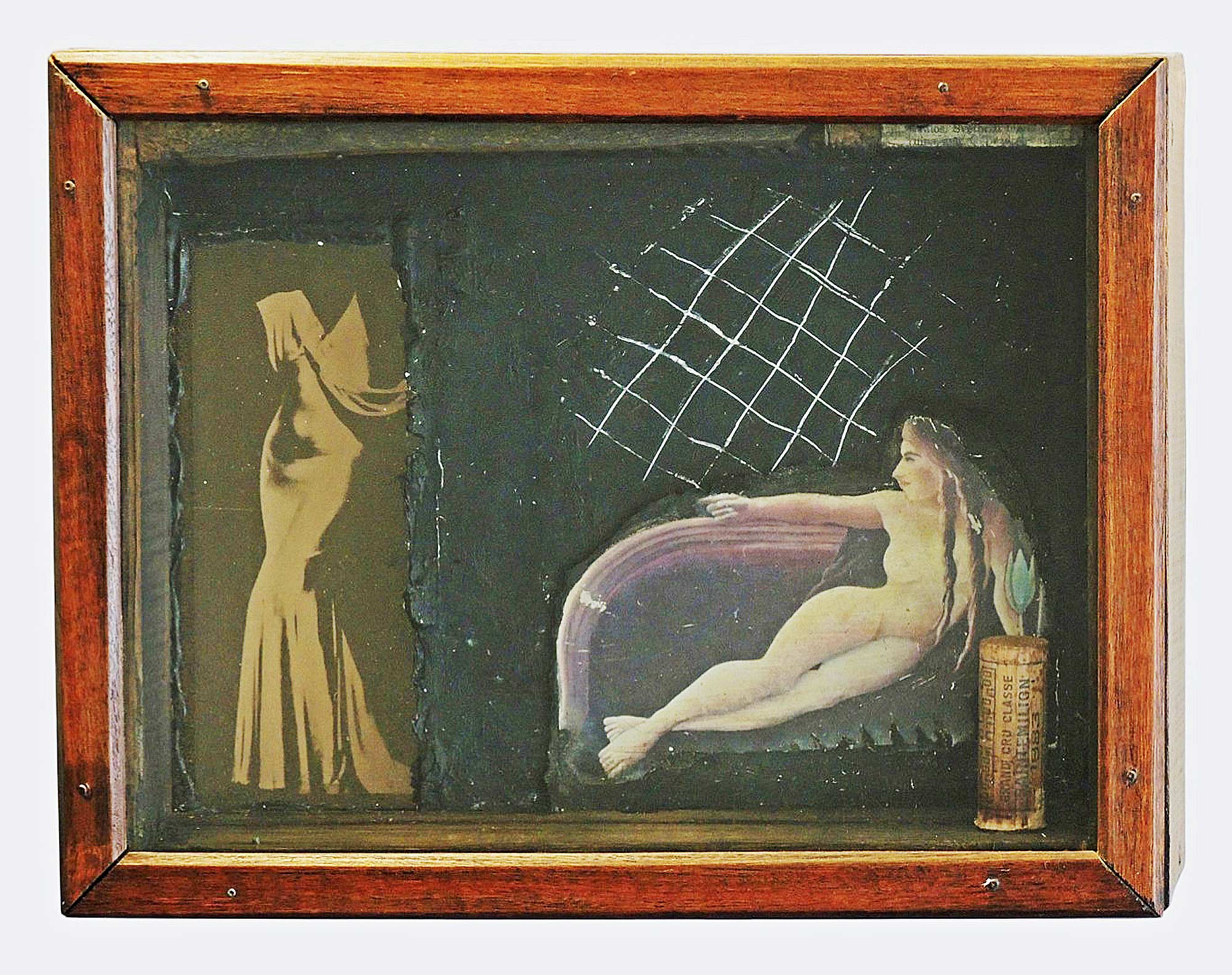
Arrangement
1994
9.5 x 12.25 x 4.5 inches
Gallery Box
9.5 x 12.25 x 4.5 inches
Gallery Box

Utopia Parkway
1993
9.5 x 15.25 x 4 inches
Gallery Box
9.5 x 15.25 x 4 inches
Gallery Box
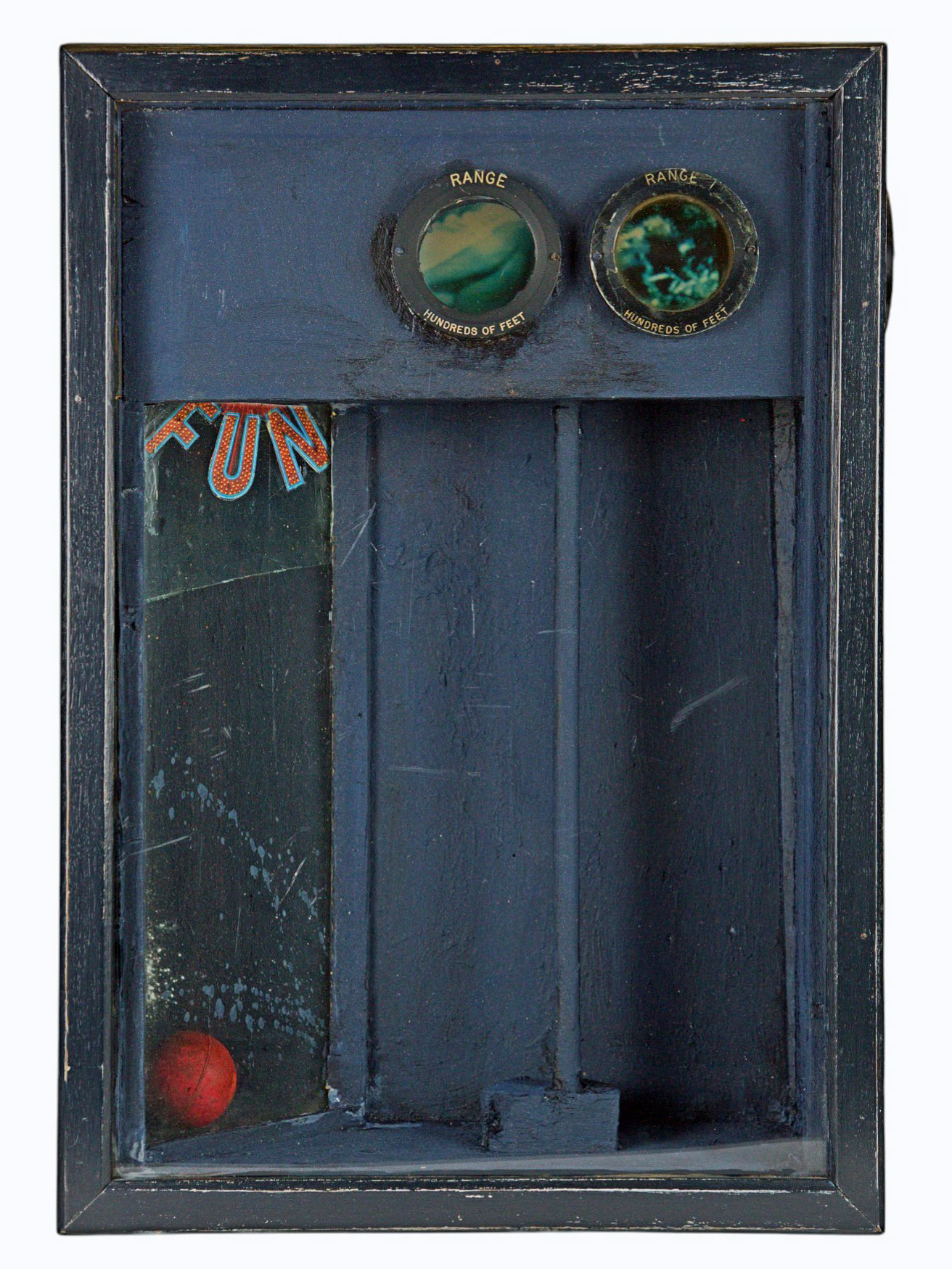
Fun
1991
16 x 11.5 x 4.25 inches
Gallery Box
16 x 11.5 x 4.25 inches
Gallery Box

Movie of the Week
1993
17.5 x 11.75 x 5.5 inches
Gallery Box
17.5 x 11.75 x 5.5 inches
Gallery Box
Abramson sought to explore the relationship between the outside of the box and the interior, viewing the box and glass not as a container, but as dimensions of a total experience. When exhibiting these pieces, he was meticulous about their presentation: the "Oracles" must be wall-mounted, in sequence, in one room, with nothing else in the room; and individual boxes are optimally placed on pedestals or under glass. Abramson enjoyed constructing his boxes from salvaged materials.
Dan’s Gallery Boxes stand as physical poetry, transforming the forsaken materials of the everyday—from cork orbs and broken garlic presses to baseballs—into eloquent statements of art that challenge apathy and disrupt conventional logic.
Dan’s Gallery Boxes stand as physical poetry, transforming the forsaken materials of the everyday—from cork orbs and broken garlic presses to baseballs—into eloquent statements of art that challenge apathy and disrupt conventional logic.
Oracles Series
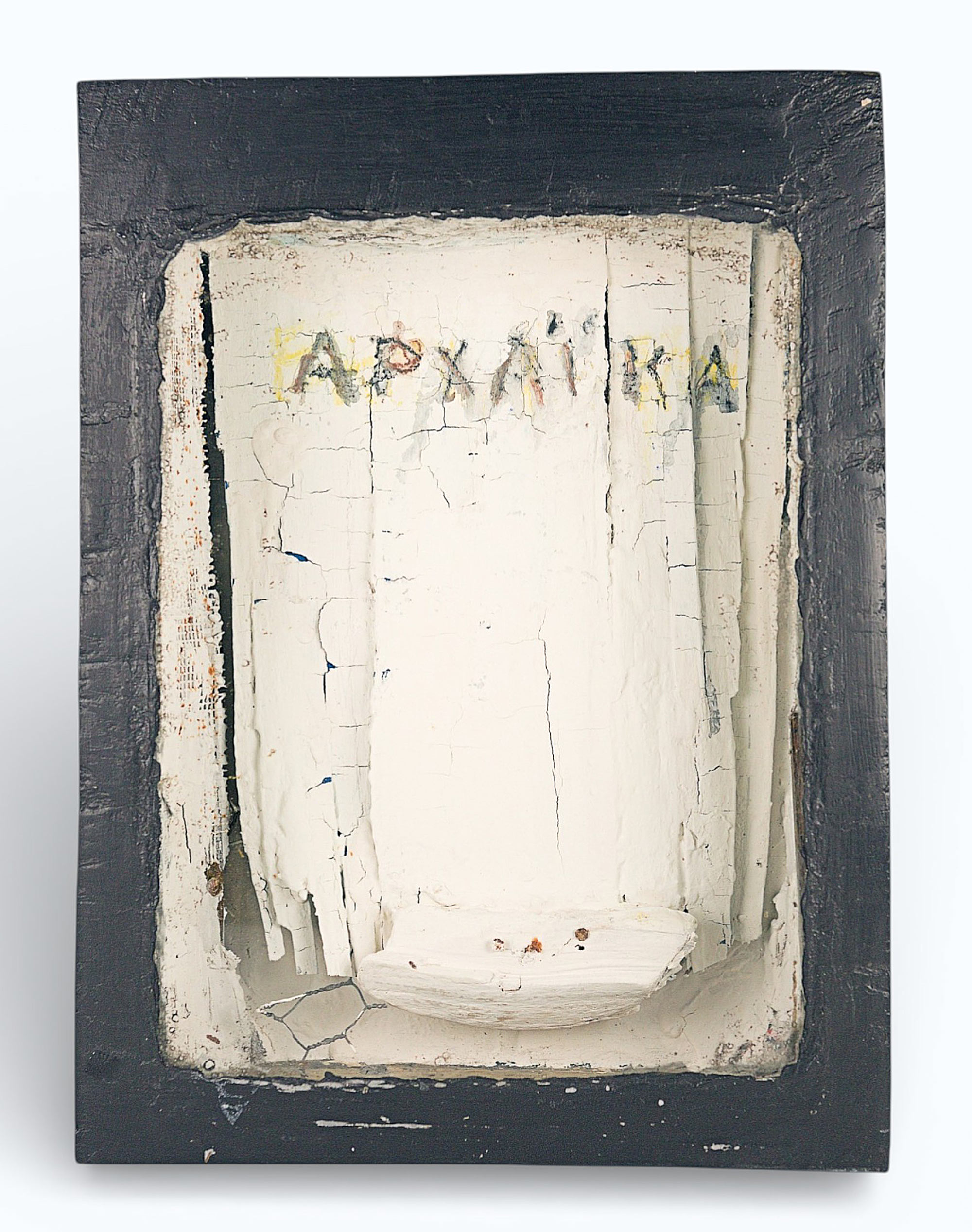
Apxaika
1995
16.25 x 12.25 x 4 inches
Oracles Gallery Box
16.25 x 12.25 x 4 inches
Oracles Gallery Box

Satyr's Lament
1995
13.75 x 10.25 x 4 inches
Oracles Gallery Box
13.75 x 10.25 x 4 inches
Oracles Gallery Box
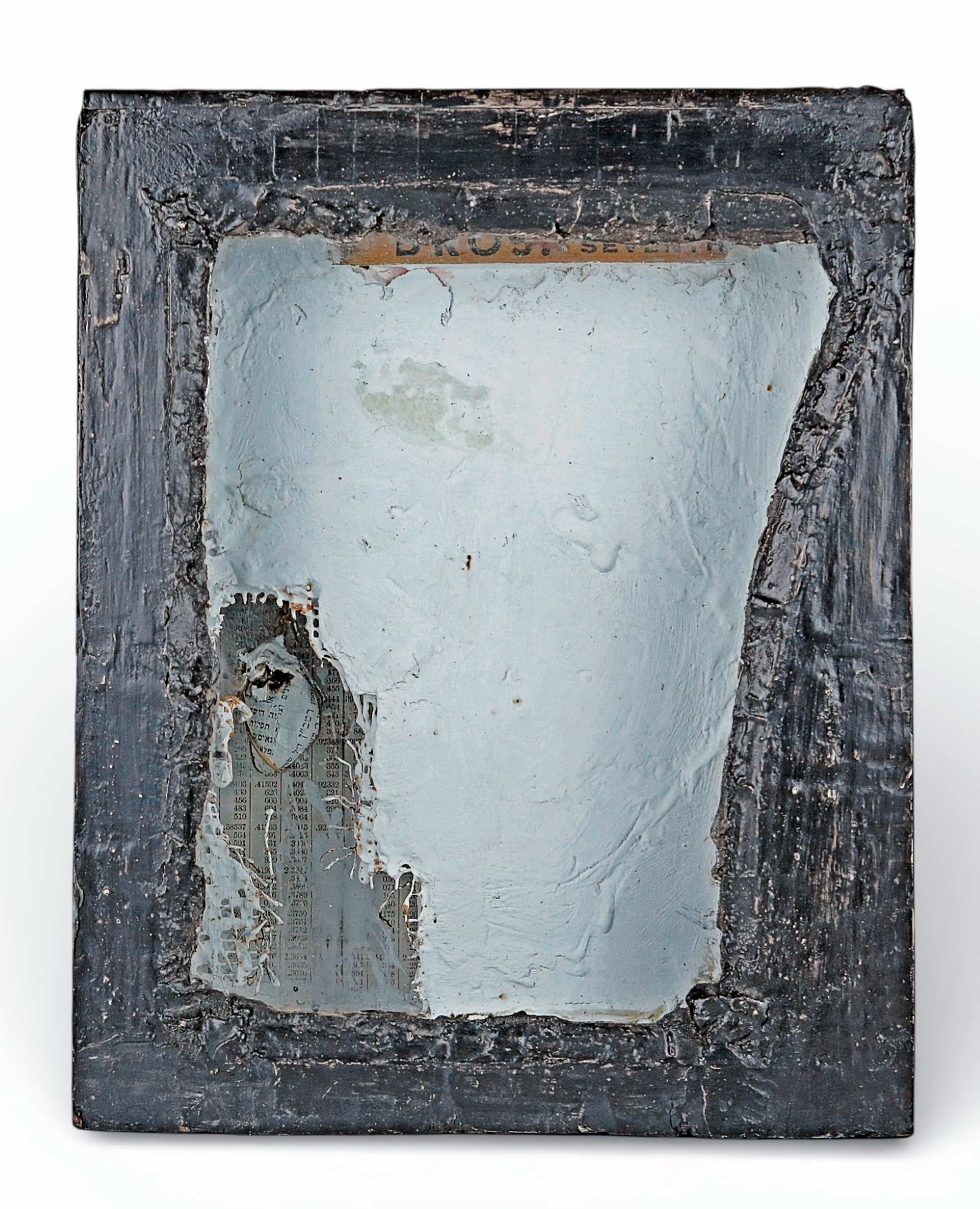
Prodigal Son
1995
11.25 x 9 x 4 inches
Oracles Gallery Box
11.25 x 9 x 4 inches
Oracles Gallery Box
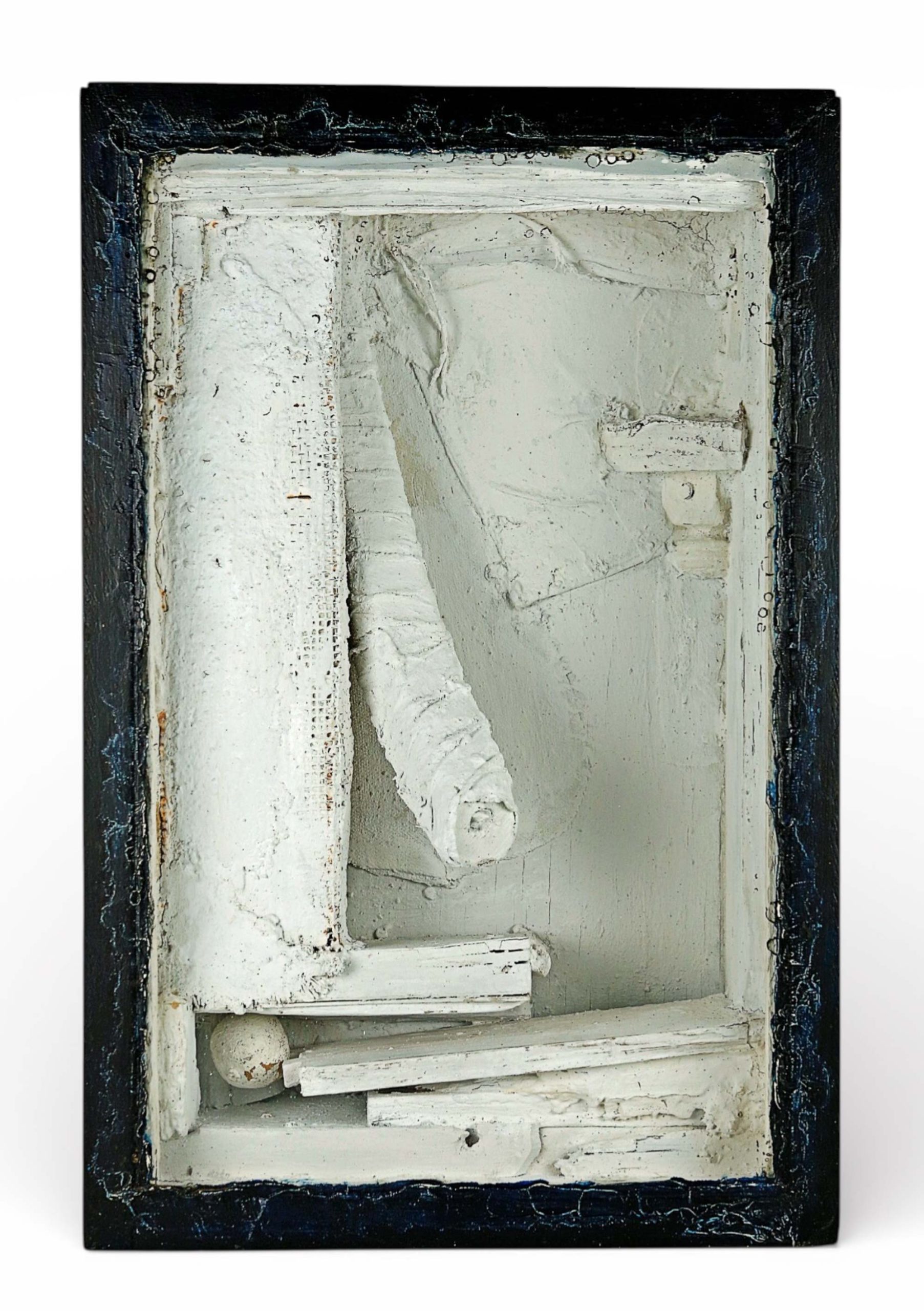
Onan
1994
17.5 x 11.5 x 4.5 inches
Oracles Gallery Box
17.5 x 11.5 x 4.5 inches
Oracles Gallery Box
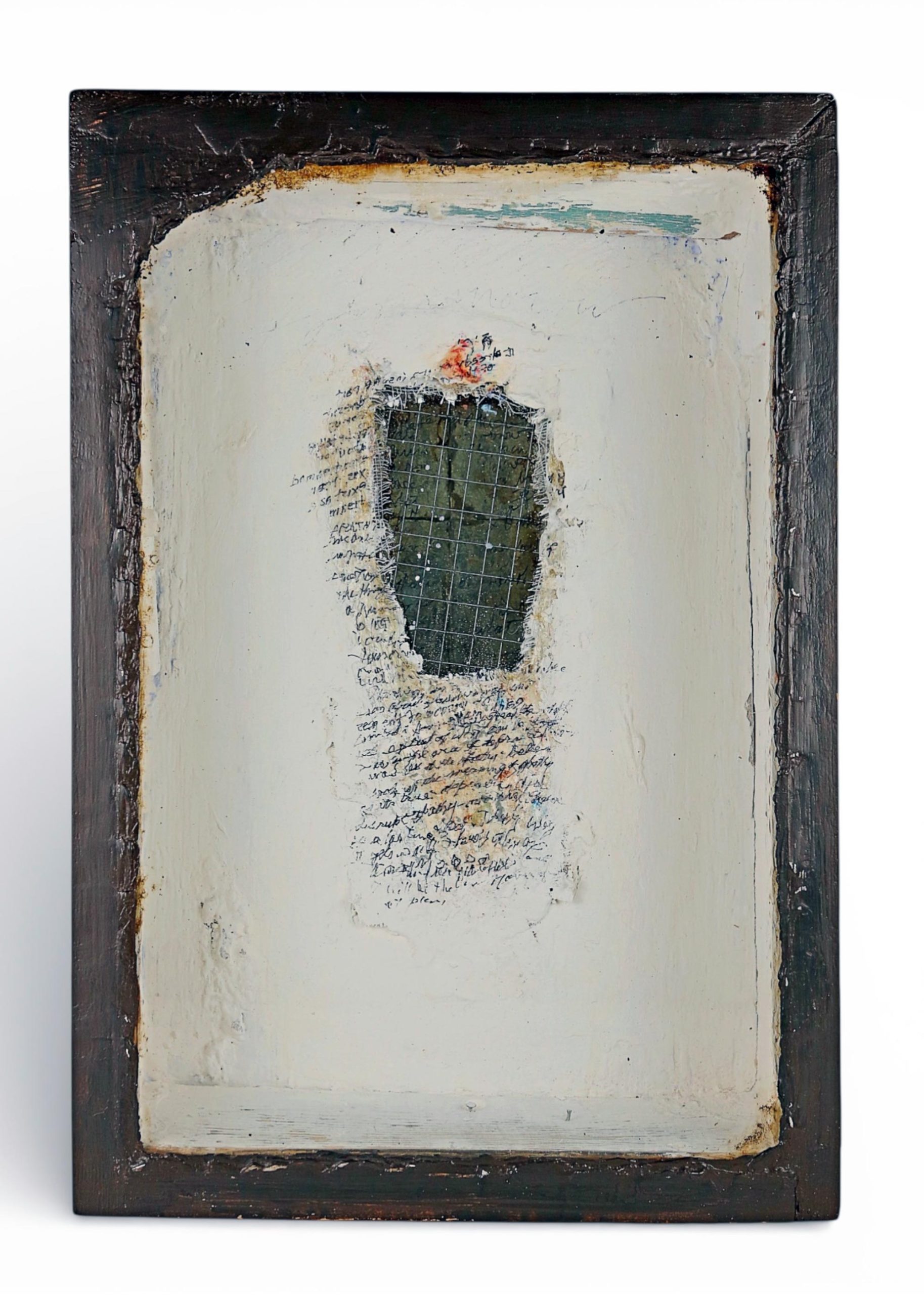
Tomorrow
1995
17.75 x 12.25 x 5.5 inches
Oracles Gallery Box
17.75 x 12.25 x 5.5 inches
Oracles Gallery Box
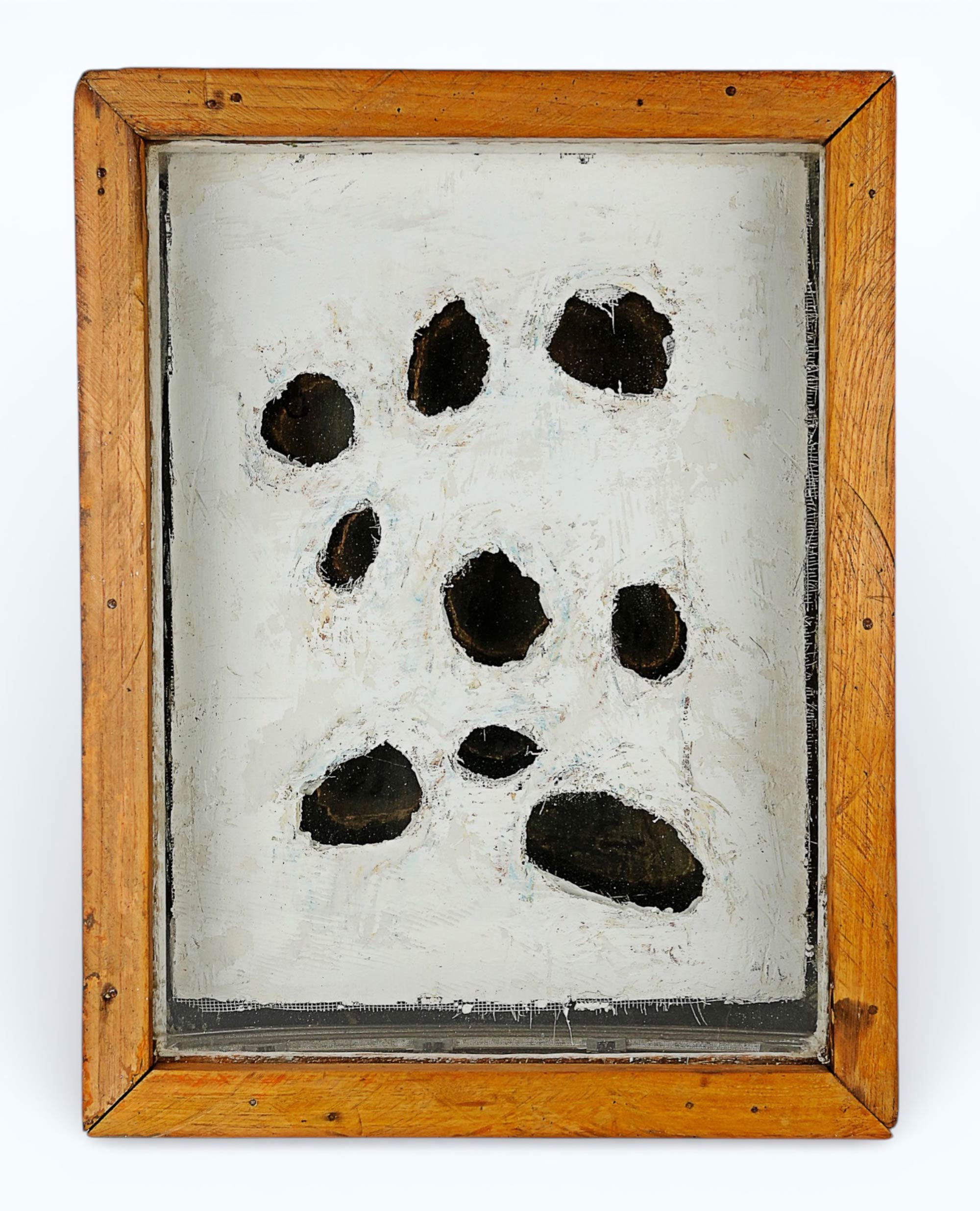
Pilgrimage
1995
16.25 x 12.25 x 4.75 inches
Oracles Gallery Box
16.25 x 12.25 x 4.75 inches
Oracles Gallery Box
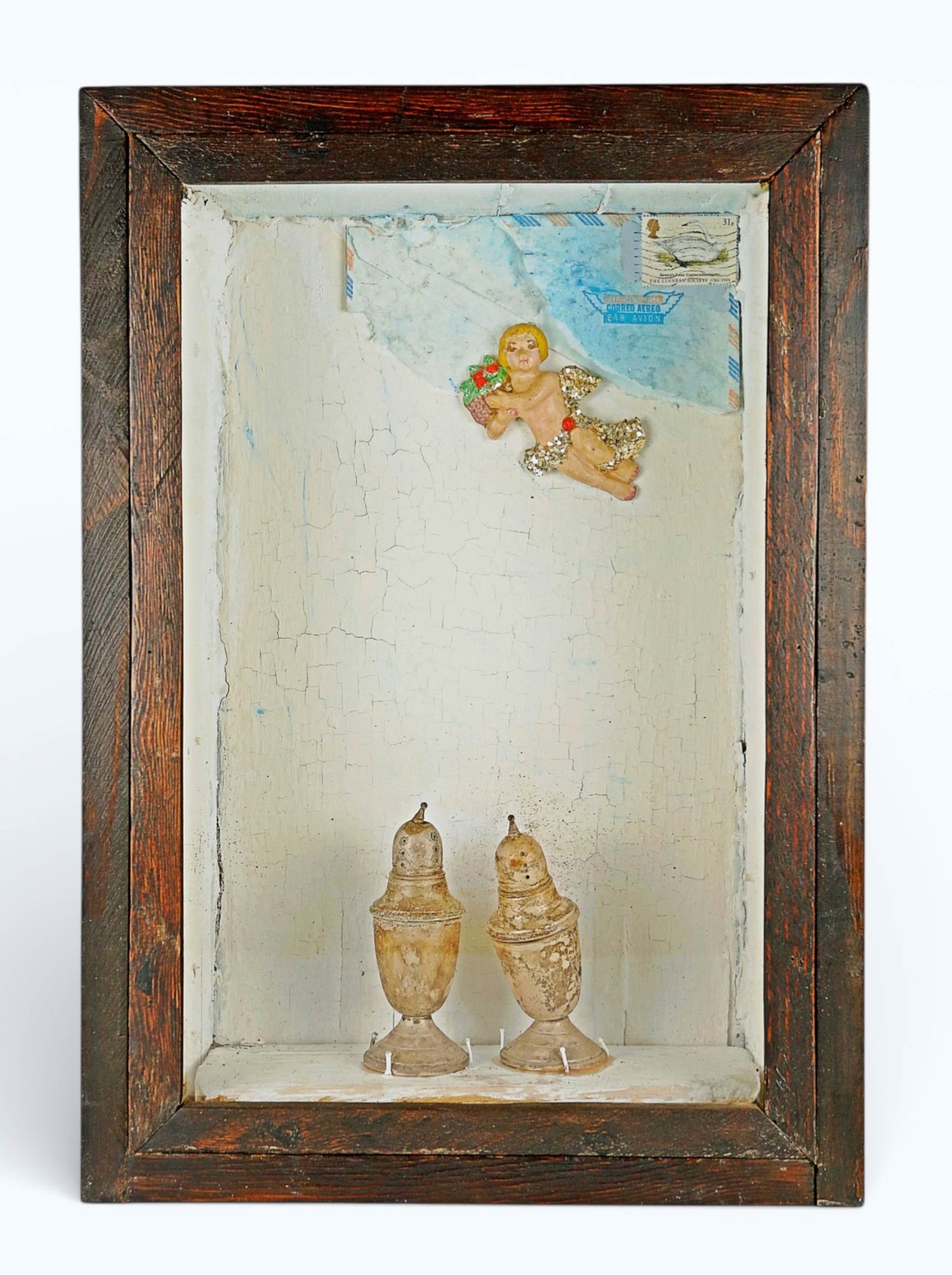
Briseis & Chyrseis
1996
17 x 12 x 4.25 inches
Oracles Gallery Box
17 x 12 x 4.25 inches
Oracles Gallery Box
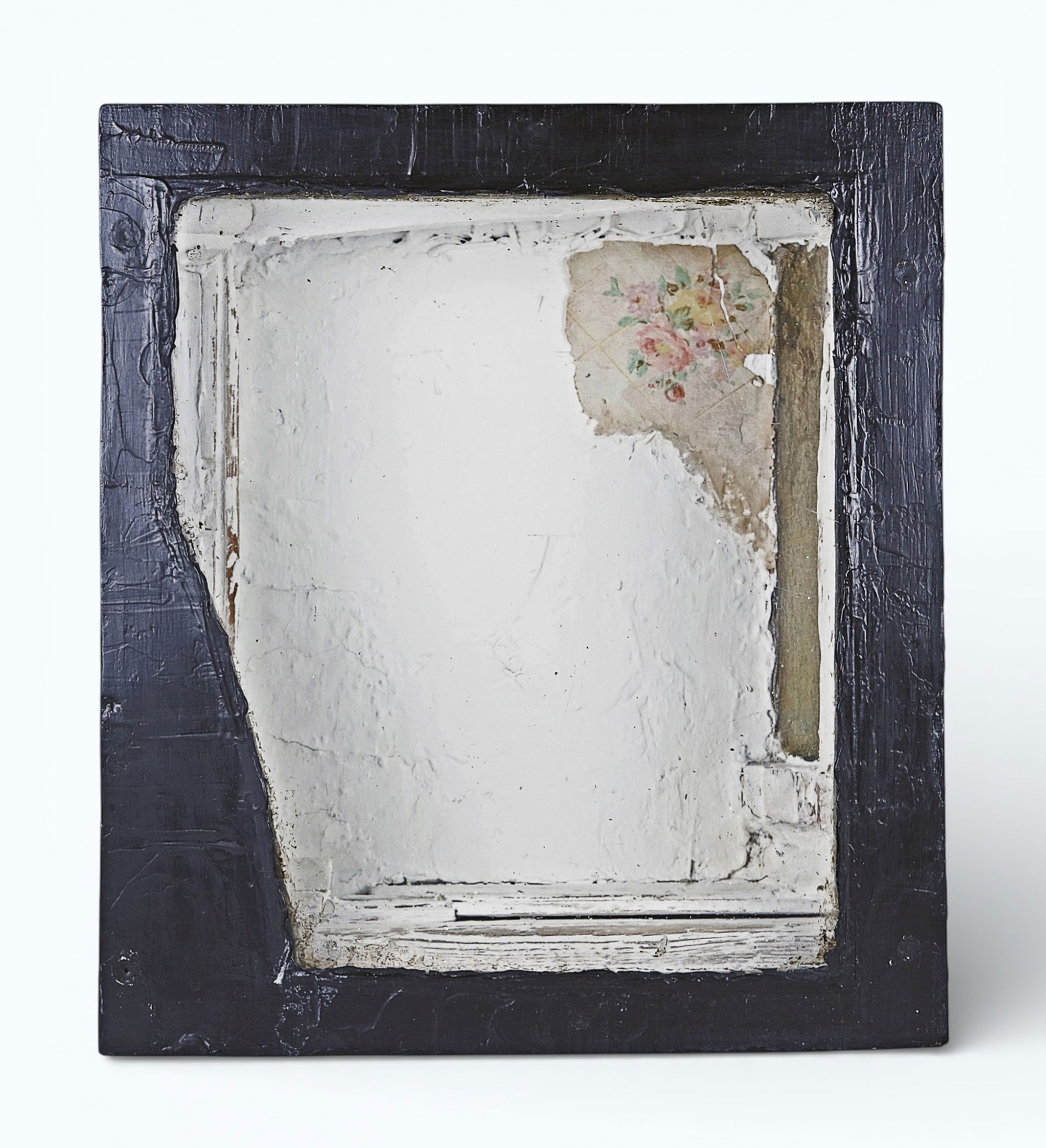
Xenoclea
1995
13 x 11.5 x 4.25 inches
Oracles Gallery Box
13 x 11.5 x 4.25 inches
Oracles Gallery Box
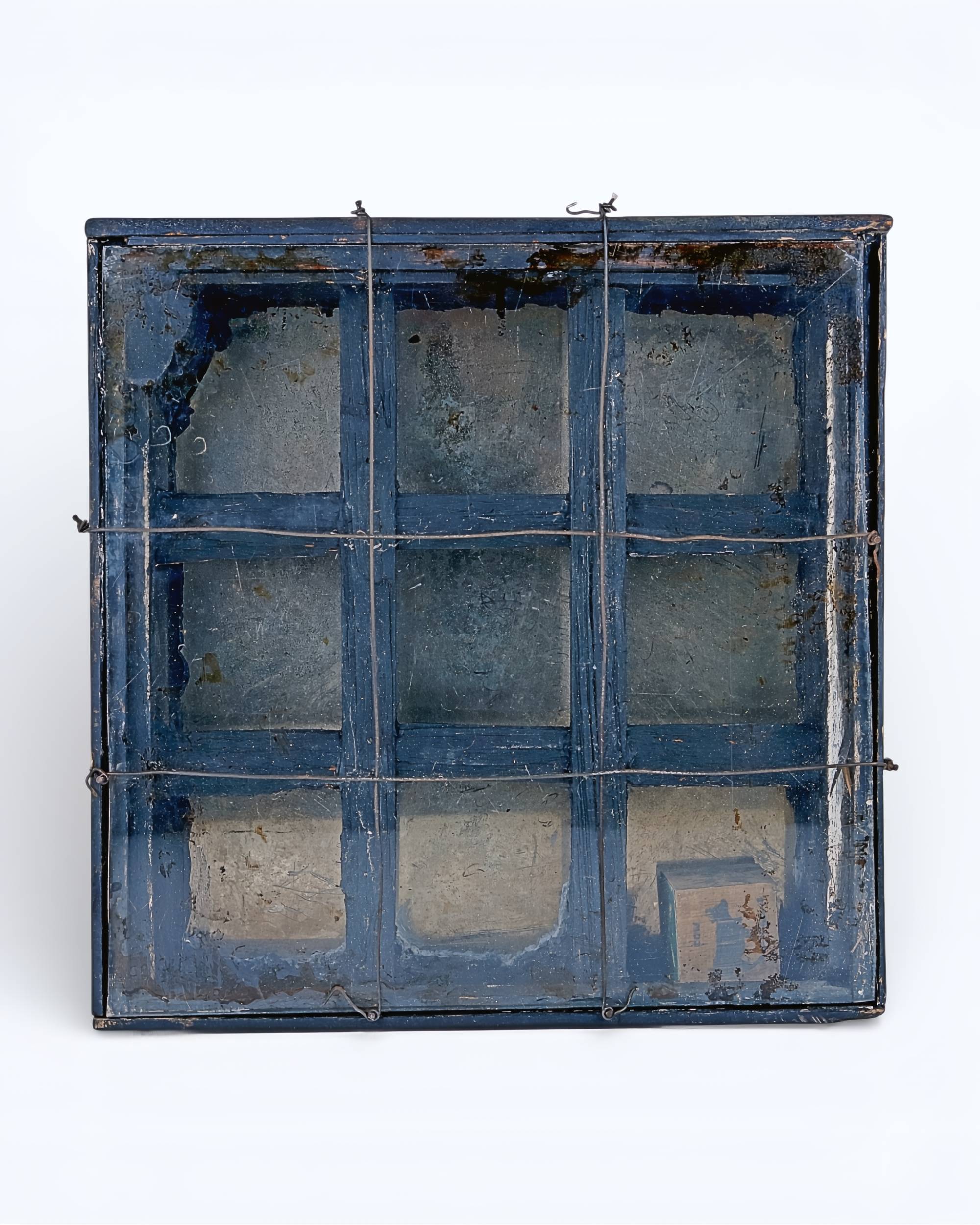
9 Lives (Obverse)
1996
10.25 x 10.25 x 3.25 inches
Oracles Gallery Box
10.25 x 10.25 x 3.25 inches
Oracles Gallery Box
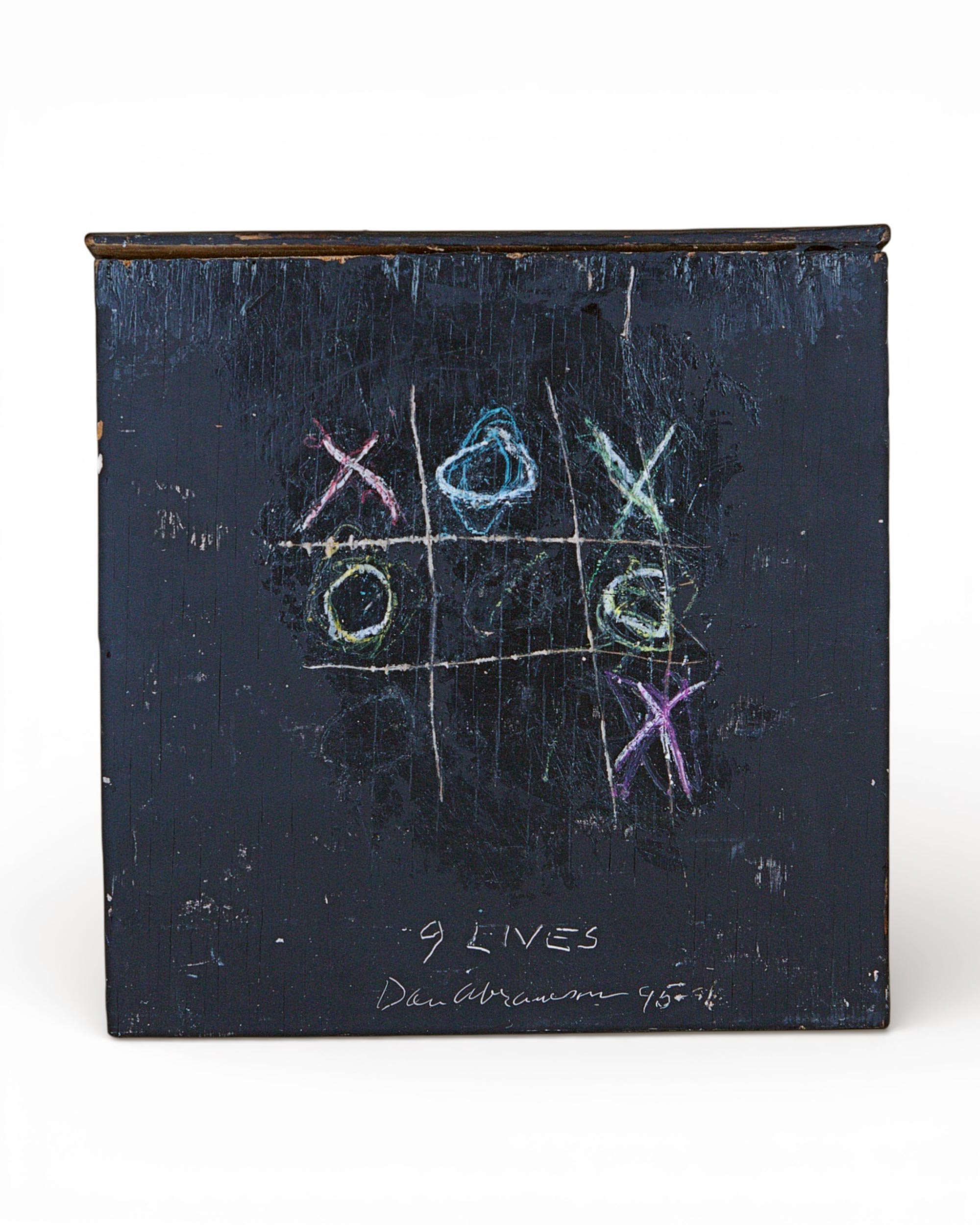
9 Lives (Reverse)
1996
10.25 x 10.25 x 3.25 inches
Oracles Gallery Box
10.25 x 10.25 x 3.25 inches
Oracles Gallery Box
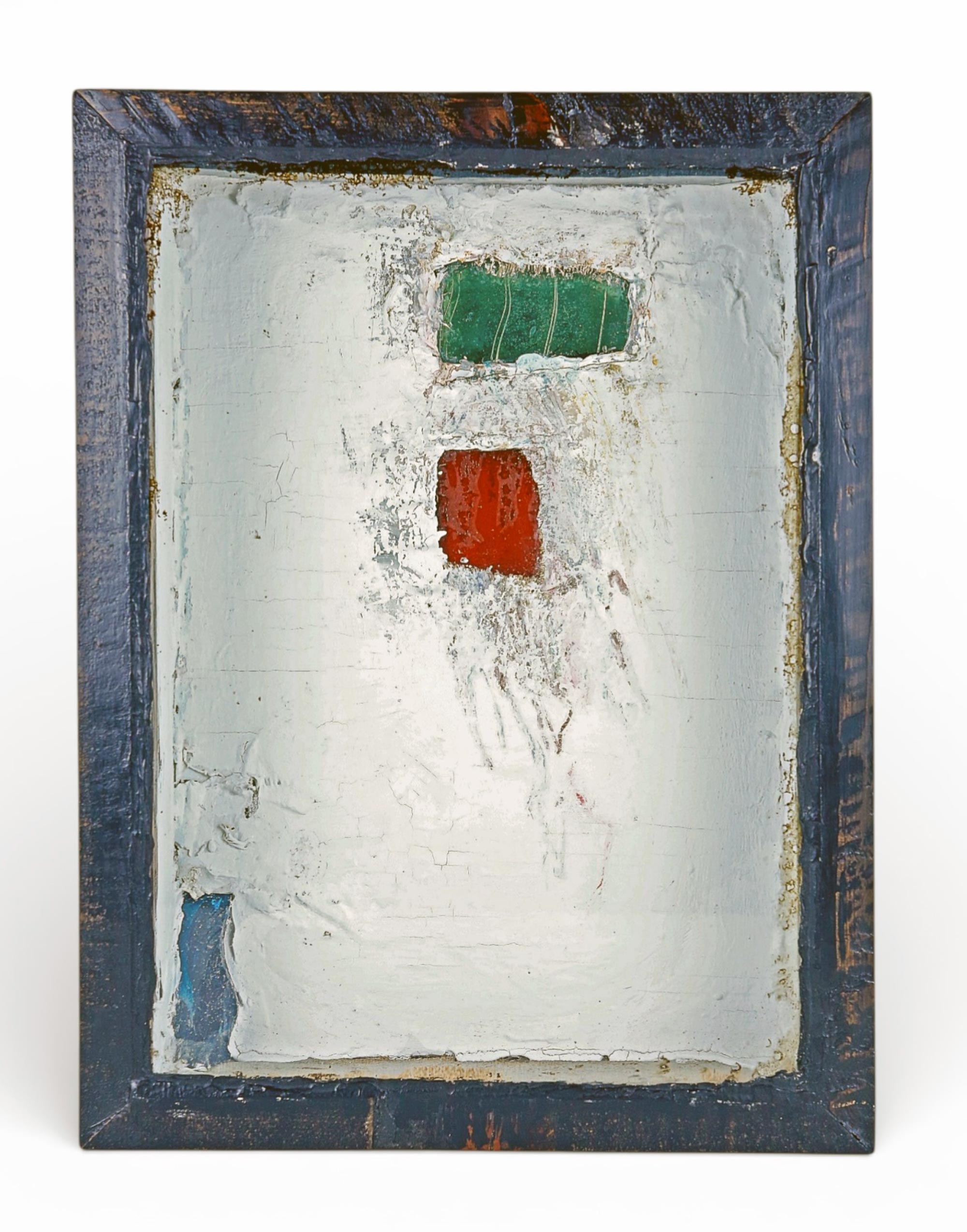
The Last (Oracle)
1995
14.75 x 11.25 x 4.25 inches
Oracles Gallery Box
14.75 x 11.25 x 4.25 inches
Oracles Gallery Box
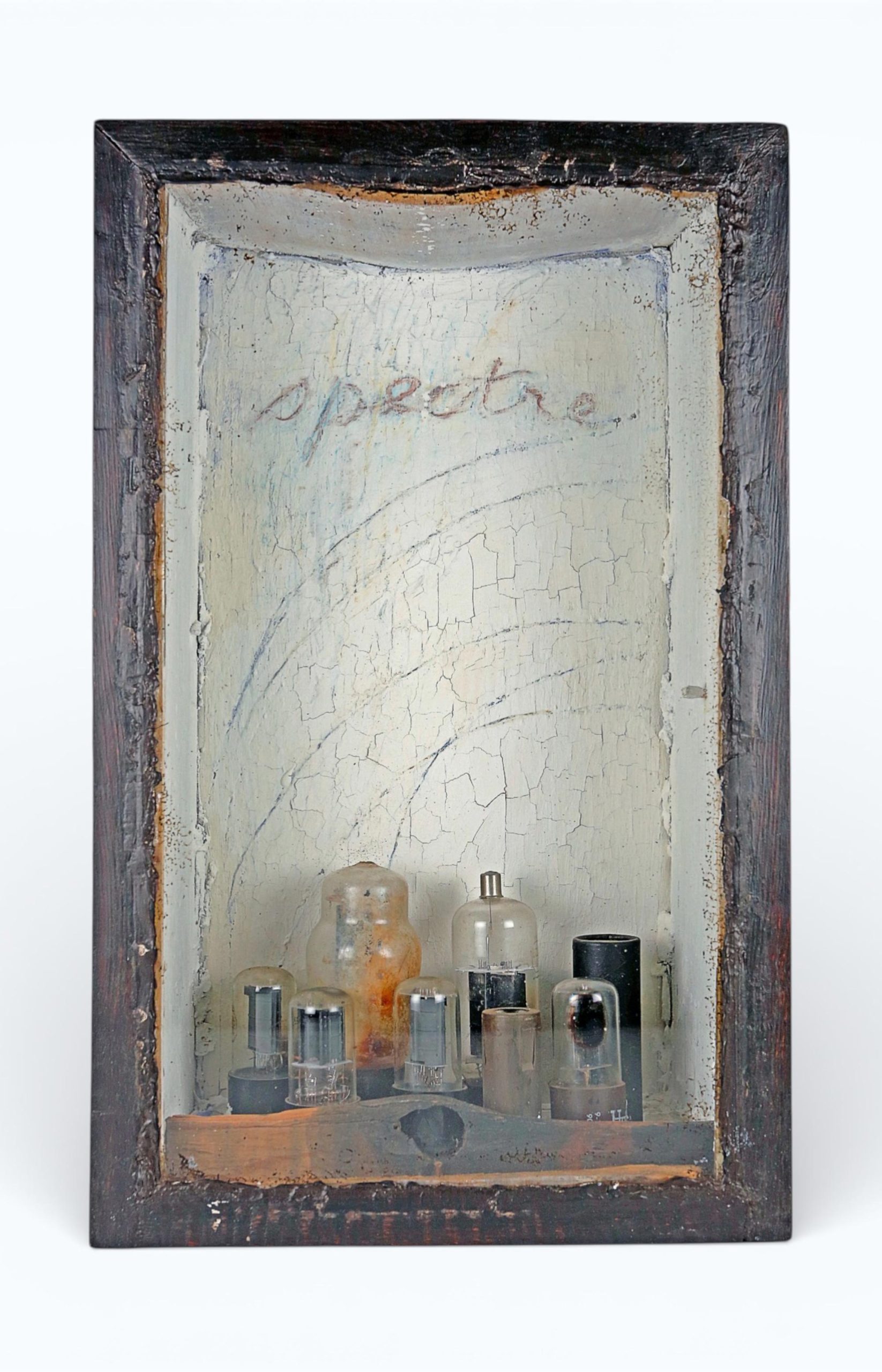
Songs of Apollo (Spectre)
1995
18 x 11.25 x 4.75 inches
Oracles Gallery Box
18 x 11.25 x 4.75 inches
Oracles Gallery Box
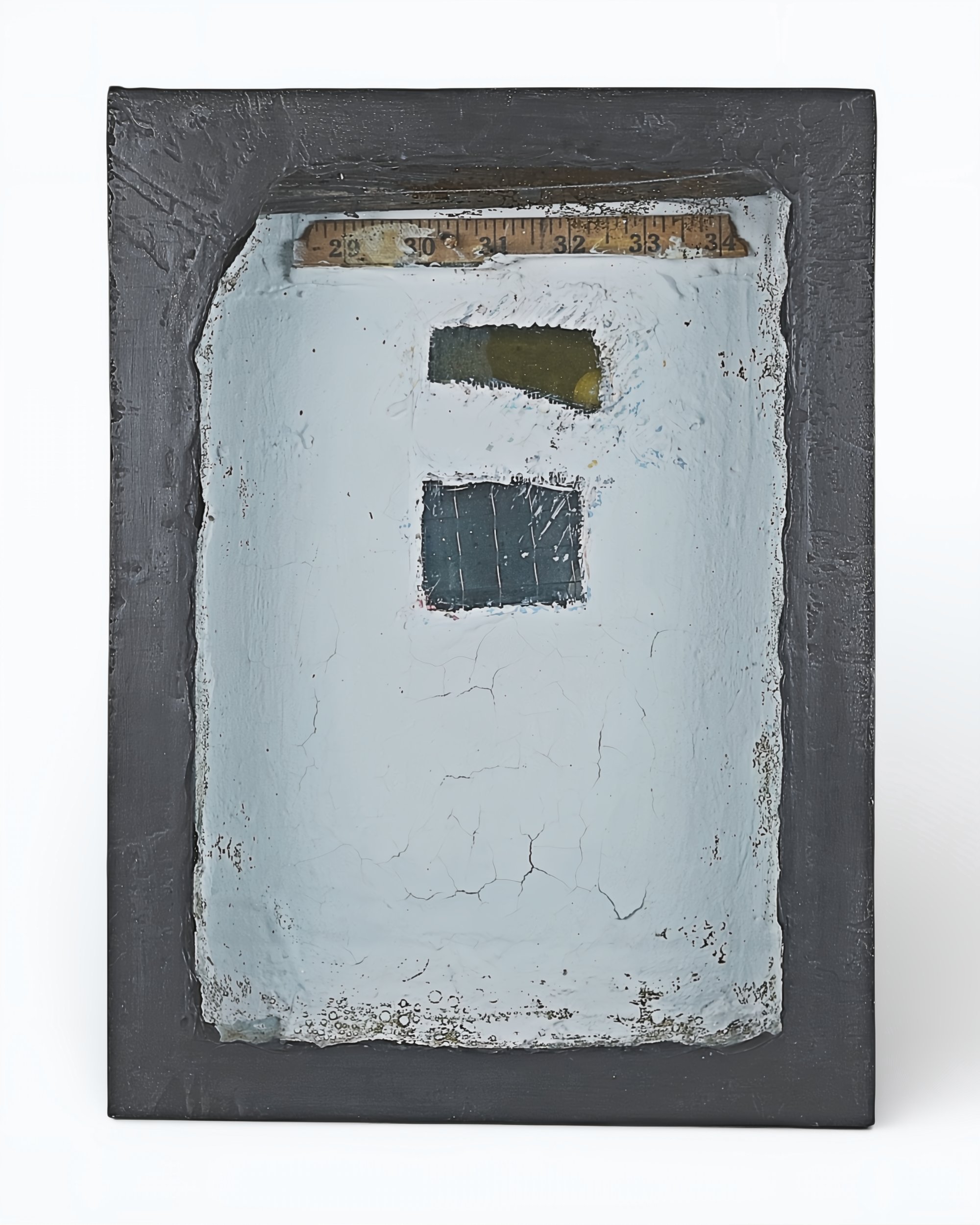
Lapsed Oracle
1995
13.25 x 9.75 x 4.25 inches
Oracles Gallery Box
13.25 x 9.75 x 4.25 inches
Oracles Gallery Box
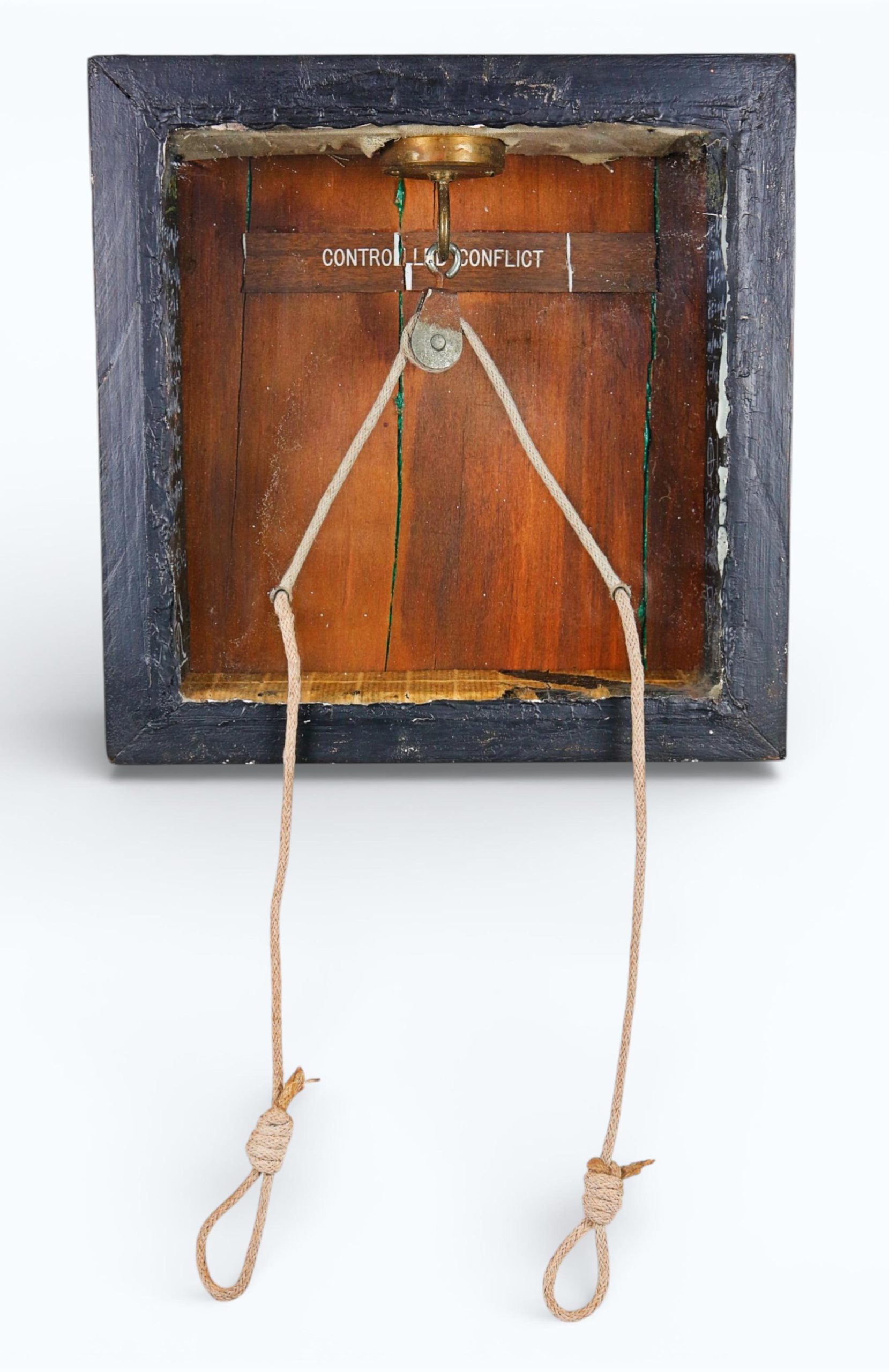
Eris Relents (Controlled Conflict)
1995
20 x 11.25 x 4.75 inches
Oracles Gallery Box
20 x 11.25 x 4.75 inches
Oracles Gallery Box
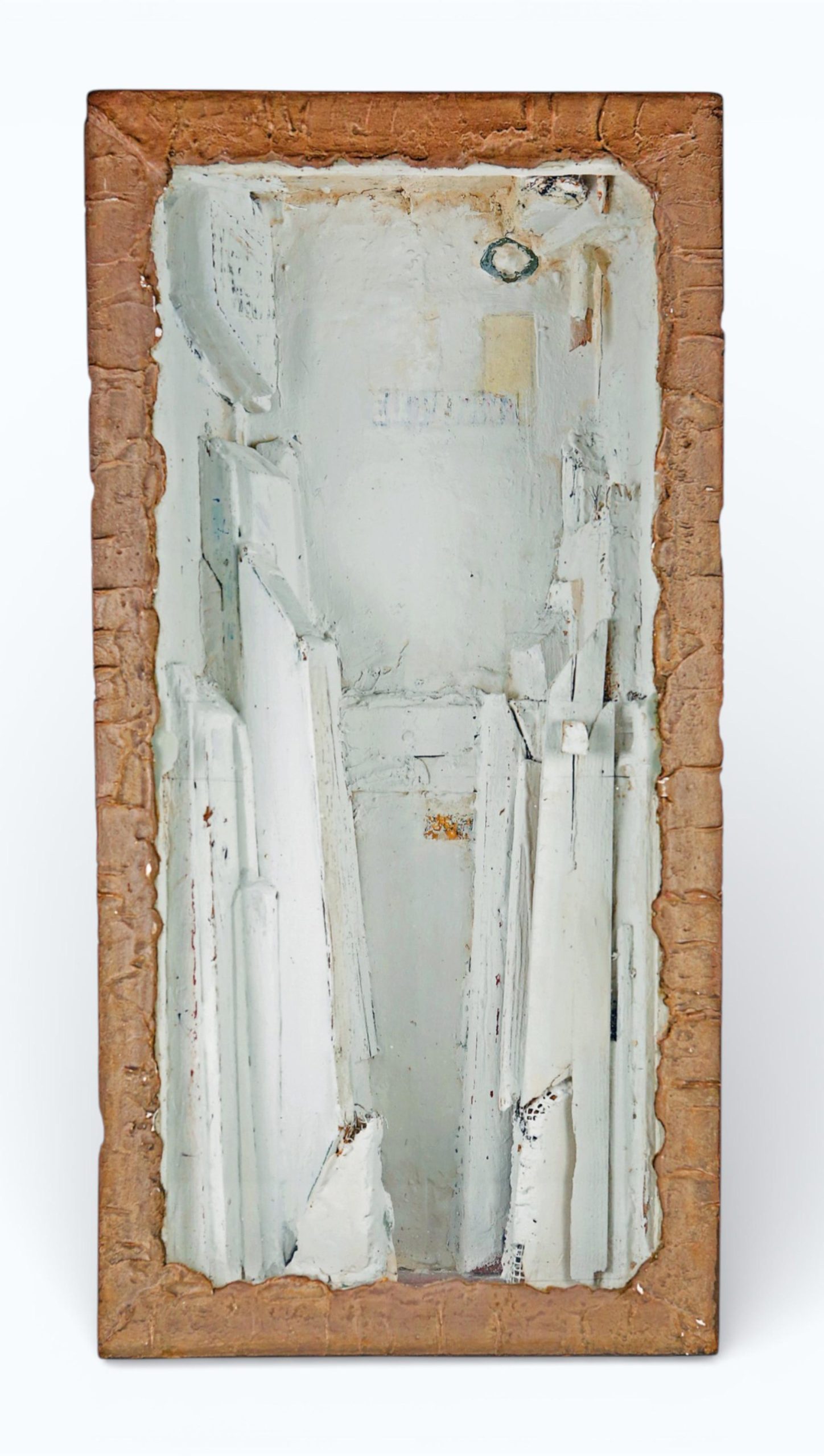
Archive (Vortex)
1993
21.25 x 11.5 x 4.5 inches
Oracles Gallery Box
21.25 x 11.5 x 4.5 inches
Oracles Gallery Box